Land Clearing: Methods, Costs, and What to Expect

Before clearing land, property owners usually ask three questions: Which method fits the site? What will it cost? How long will it take? The answer to each depends on what must remain, what must leave, and what the land needs to become afterward.

The requested [land-clearing target route]() returned a 404 in preflight and is pending correction or verification; this link is not evidence that the page is live. The Lindner Land Services homepage is used as a verified internal route, and the requested target is listed as a blocker below.

What are the main land-clearing methods?

Land clearing is a scope of work, not one machine or one finish. A contractor may recommend one method or a sequence based on vegetation, terrain, soil, access, and the next use of the property.

Forestry mulching

Forestry mulching cuts and processes woody growth in place. It can reduce loose brush and hauling when the owner wants a rough opening, access route, or vegetation reduction. It does not automatically remove every stump or create a construction-ready grade.

Bulldozing and mechanical clearing

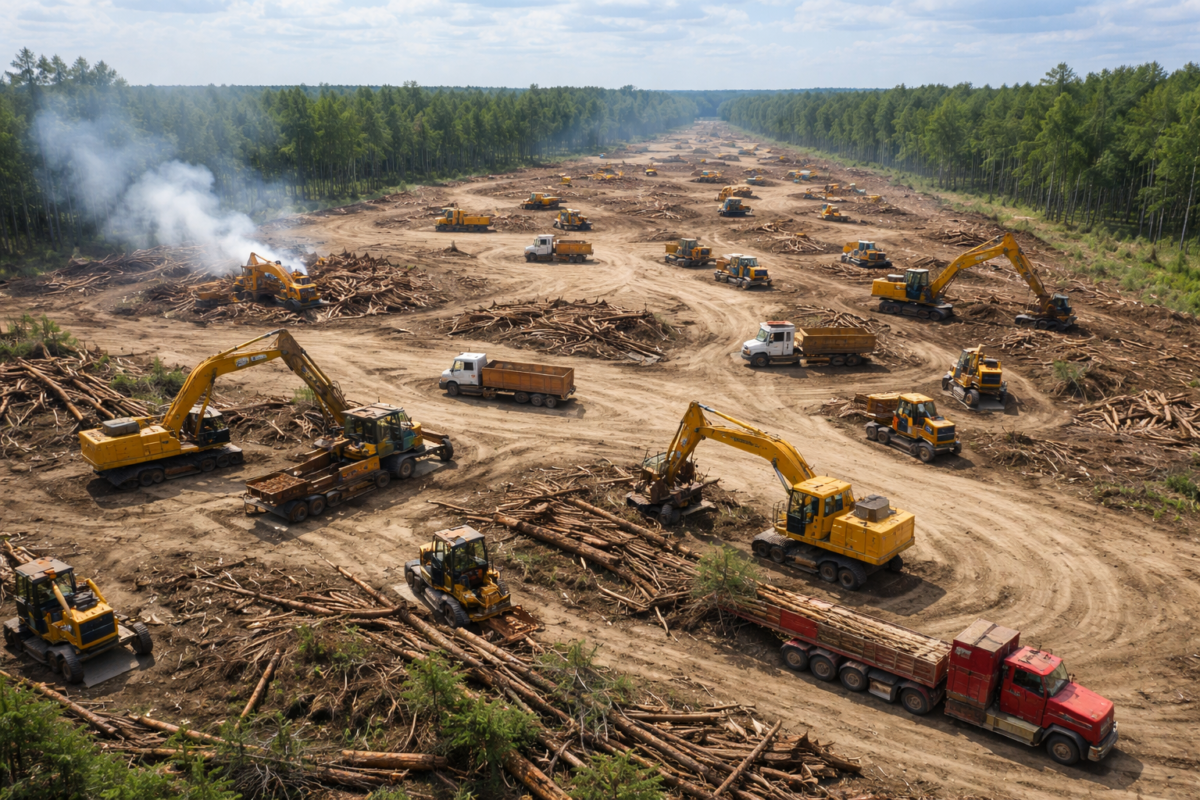
A dozer or other heavy equipment may push, pile, or remove trees and brush where the project needs broader clearing or earth movement. This approach can disturb the soil more than in-place mulching, so drainage, erosion, stockpiles, and final grade need a clear plan.

Burning

Prescribed burning is not a default clearing method. It can be limited by weather, air-quality rules, local requirements, smoke concerns, nearby structures, and the need to protect soil and property. Never assume burning is allowed because vegetation is dry or abundant.

Hand clearing

Hand clearing can preserve selected trees but may require more labor and debris handling. Burning is highly regulated and site-specific; it should never be treated as an assumed option. See EPA open-burning guidance and review USDA NRCS soil resources before planning around local conditions.

Did You Know? The cheapest first step can create extra work later if it leaves stumps, compacted soil, poor drainage, or material in the path of the next phase.

How do equipment and finish change the plan?

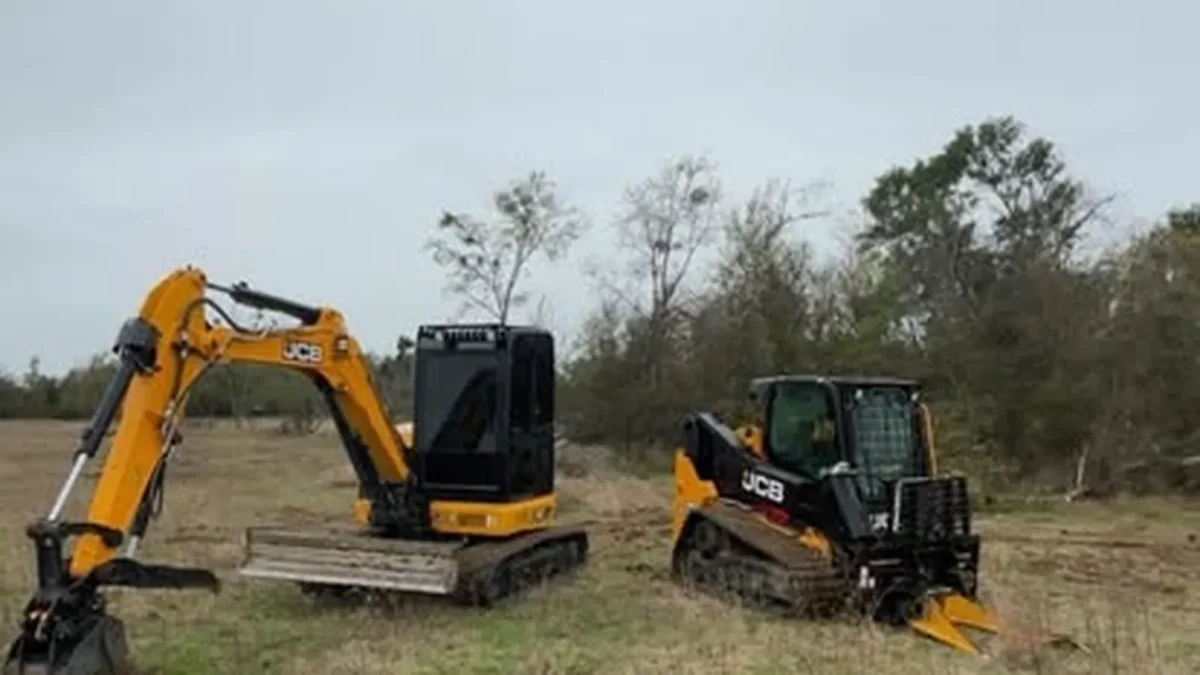
Equipment should follow the work limits and desired finish. A mulcher can process surface growth. An excavator can dig, load, and handle material. A dozer can move larger quantities and shape broad areas. Trucks can haul material away or bring in usable fill.

Ask what the machine will leave behind. A rough opening for access is different from a seedbed, pasture, driveway, or building area. A contractor should explain whether the scope includes stump work, grading, hauling, spreading, erosion controls, or only vegetation reduction.

Access matters

The machine needs a safe route into the work zone. Gates, slopes, wet ground, overhead lines, fences, and nearby structures can change the equipment choice. Limited access may favor smaller equipment or hand work, while a broad open site may allow a faster sequence.

Underground features matter

Utility lines, wells, septic components, drainage pipes, irrigation, and buried debris can change the plan. Public utility marks may not identify every private line. Share records and site knowledge before clearing begins.

Pro Tip: Describe the finished property in one sentence. “Open for a driveway,” “ready for a building pad,” and “reduced brush along the boundary” are different scopes.

What affects land-clearing cost?

A responsible estimate names the cost drivers instead of offering a universal price. The main variables include vegetation density, tree size, stump conditions, slope, soil, access, hauling, disposal, and the required finish.

Vegetation and material

Light brush is not the same as mature trees, tangled growth, or mixed debris. Large stems, vines, rocks, fencing, and buried material can slow production and require a different approach. The amount that can remain on site also affects handling.

Site access and terrain

A flat open entrance is easier to stage than a narrow or steep route. Wet ground may limit equipment. A property with long haul distances or no stockpile area may need more truck coordination.

Disposal and follow-up

If logs, stumps, or brush must leave, loading, transport, and disposal become part of the scope. If material stays, it still needs a safe location that does not block drainage or conflict with the next use. Grading, soil replacement, and erosion work may be separate services.

Permits and local rules

Permit needs can vary by municipality, county, watershed, protected area, and project type. Check with the relevant local authority before clearing. A contractor can discuss the work scope, but the property owner should confirm approvals that apply to the parcel.

What timeline should a property owner expect?

There is no responsible single timeline for every lot. A small accessible area with light brush may move quickly. Dense trees, stumps, slopes, wet soil, hauling, weather, and multiple finish requirements add time.

The work may also happen in stages. First comes marking and access. Then clearing, material handling, stump treatment, grading, drainage, or seedbed preparation may follow. Ask which stage the estimate covers and what must happen before the next contractor arrives.

A useful field lesson is to plan the handoff early. If the next step is a foundation, the owner may need survey information, soil decisions, grade checks, and a separate excavation scope. Clearing alone should not be described as a finished building site.

For background, the Lindner Land Services blogs route was reachable in the brief’s crawl evidence. A dedicated land-clearing article link is pending verification. The requested /land-clearing-services/ target remains blocked after the 404 preflight.

How should owners prepare for land clearing?

Collect the survey, property boundary information, permits, utility records, septic or well details, access instructions, and any protected-area requirements. Mark trees or features that must remain. Remove personal property from the work area and tell the contractor about neighbors, fences, drainage, and private lines.

Decide what the land should look like when the work ends. Ask whether the plan includes stumps, brush piles, logs, roots, grading, soil replacement, drainage, and erosion controls. Put the expected finish in writing.

If unexpected conditions appear, document them before changing the scope. Rock, wet soil, buried debris, or larger trees can affect method and price. A clear change process gives the owner and contractor a way to make decisions without confusing the original plan.

FAQs about land clearing

What is the best land-clearing method?

The best method depends on vegetation, terrain, access, soil, local rules, and the next use of the property. Mulching, mechanical clearing, hand work, or a planned sequence may each be appropriate after a site review.

Does land clearing include stump removal?

Not always. Stump removal, grinding, hauling, grading, and root removal should be listed in the scope if they are needed. Ask what surface and below-ground condition the contractor expects to leave.

How much does land clearing cost?

Cost varies with material, density, terrain, access, hauling, disposal, permits, and finish requirements. A parcel-specific estimate is more useful than a general price because acreage does not show the full work.

Do I need a permit to clear land?

Maybe. Rules can depend on location, drainage, protected resources, burn restrictions, and the planned development. Check with the applicable local authority and confirm which approvals are required before work begins.

Start with the finish you need

Land clearing works best when the method follows the next use of the property. Define the limits, protect utilities and features, choose a realistic finish, and confirm material handling before equipment is scheduled.

For a site-specific discussion, start with the verified Lindner Land Services homepage. The requested /land-clearing-services/ page returned 404 in preflight, so it must be corrected or confirmed before this draft can use it as a live CTA destination. No live claim is made here.

Everything You Need to Know About Excavation: Process, Equipment & What to Expect

Excavation is the process of cutting, moving, or removing earth to reshape land for construction, drainage, or development. If you’re building a home on raw land, grading a site, or installing drainage, excavation is almost certainly part of the job — and usually one of the first. Get it right, and everything that follows goes smoothly. Get it wrong, and you’re fixing problems for years.

This guide covers what excavation involves, the equipment used, how a job progresses from start to finish, and what Central Texas property owners specifically need to know before breaking ground.

What Is Excavation, and What Does It Include?

Excavation is broader than most people think. It’s not just digging a hole — it covers every task that involves cutting into, removing, or repositioning soil to achieve a specific grade, depth, or shape.

Common excavation tasks include site grading to establish a level building area, cut-and-fill work on sloped terrain, foundation digging, pond and water tank excavation, drainage ditch work, and trenching for utility lines.

The term is often used interchangeably with “dirt work,” but there’s a difference. Excavation and dirt work is the broader category — any soil movement task. Excavation specifically refers to digging below existing grade. All excavation is dirt work, but not all dirt work is excavation.

What is site preparation in construction? Site prep is the full sequence of land-readying steps before construction begins — clearing, grading, drainage work, and compaction. Excavation is often the core of that process. See what goes into professional site prep services for residential builds.

The 3 Types of Excavation Property Owners Encounter

Not every excavation job looks the same. The type you need depends on what you’re building toward.

Topsoil excavation removes the uppermost 6 to 12 inches of soil — the organic-rich layer that compresses and shifts over time. It’s stripped before grading because it makes a poor base for foundations or pads. On most Lindner Land Services jobs in Lee and Fayette County, topsoil is stripped, stockpiled, and spread back over the finished grade for seeding.

Earth excavation is the bulk of most residential and commercial site work. It involves cutting below the topsoil layer to reshape the subgrade — the underlying mineral soil that becomes the structural base for roads, pads, and foundations.

Rock excavation is less common in Central Texas but does occur in Hill Country-adjacent terrain. When rock or hardpan is encountered, additional equipment is needed to break it up before it can be moved. This is always flagged during the site estimate when the likelihood is high.

Did You Know? The clay-heavy soils common across Lee, Fayette, and Bastrop Counties expand when wet and contract when dry. A contractor who hasn’t worked this ground before may not account for that movement in how they compact and finish a grade — which is one reason local experience matters more than it appears on paper.

Excavation Equipment: What’s on Your Job Site

The equipment used depends on scope, terrain, and target grade. Here’s what you’re likely to see and why.

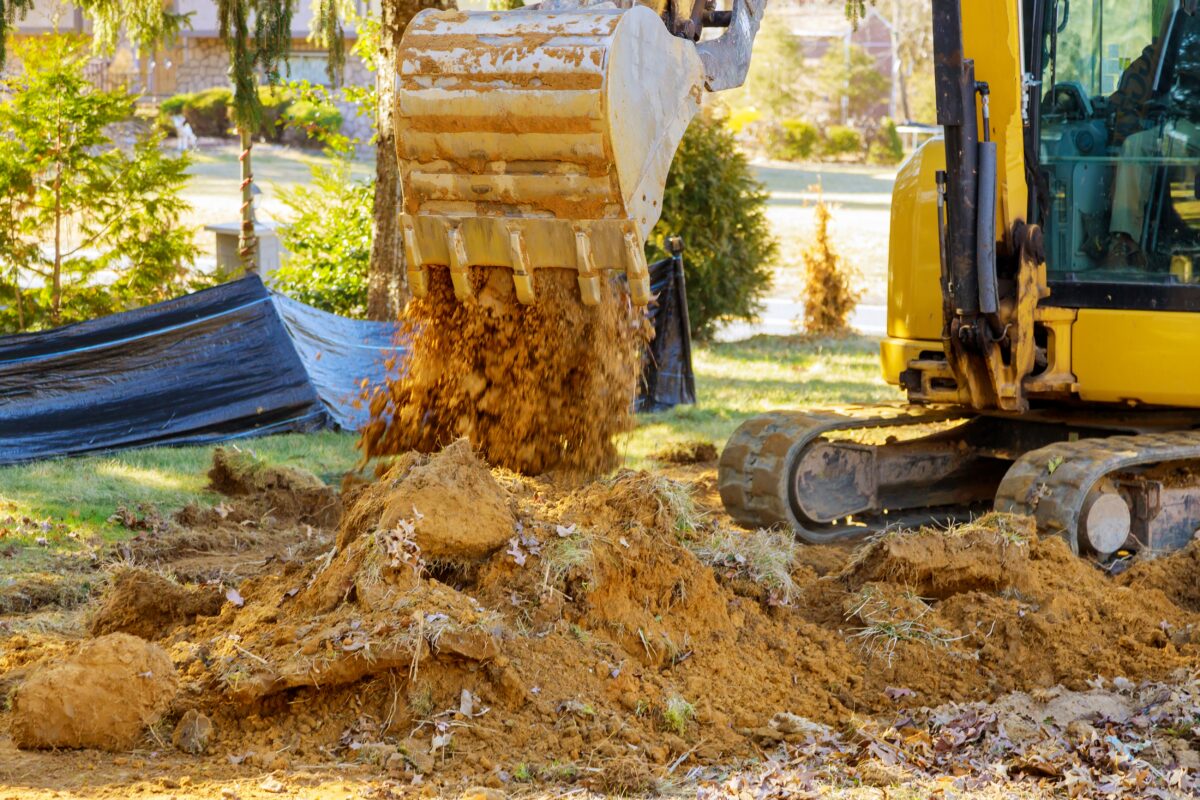
Excavators are the tracked machines with a hydraulic arm and bucket. They’re used for foundation digging, ponds, drainage channels, and trenching — precise enough for detailed work but powerful enough for significant material removal.

Bulldozers push and grade large volumes of material. They’re the right tool for stripping topsoil across a wide area, rough-grading a building site, or moving material from high to low points on the same property.

Motor graders establish the fine finish grade — the precise slope and elevation a pad, road, or swale needs to meet specification. After a dozer rough-grades, a grader refines it.

Compactors pack the disturbed soil into a dense, stable layer. Skipping or rushing this step is one of the most common causes of pad settling and foundation problems down the road.

Pro Tip: When getting an excavation estimate, ask what equipment the contractor plans to bring and why. A contractor who can explain the equipment choices relative to your specific terrain has actually thought through the job — not just dropped a number on paper.

The Excavation Process, Step by Step

Residential and commercial excavation jobs in Central Texas typically follow a predictable sequence.

Step 1 — Site assessment. 

Grade changes, drainage patterns, soil conditions, and access points all affect how the job will run. This is also when grubbing services are planned — stumps and root systems have to come out before final grading, or they’ll create voids and settling later.

Step 2 — Call 811. 

Texas law requires excavators to notify the state’s one-call center at least two business days before any digging begins. Utility companies then send locators to mark underground lines at your site before a machine moves.

Step 3 — Clearing and grubbing. 

Surface vegetation, stumps, and debris are removed before any grading begins. The sequence matters: stumps pulled after rough grading disrupt a finished surface and require regrading.

Step 4 — Rough grading. 

The bulk earthmoving happens here — material cut from high areas and moved to fill low areas, getting the site within a few inches of target elevation.

Step 5 — Fine grading. 

The surface is brought to precise elevation and slope specs, typically to within a tenth of a foot.

Step 6 — Compaction. 

Disturbed and placed fill is compacted in layers — typically 6 to 8 inches per lift — until required density is reached. This step determines whether a pad or road will hold its shape over time.

Did You Know? OSHA standards require protective systems in any trench 5 feet or deeper. Legitimate excavation contractors build these requirements into their job planning from the start. If a contractor isn’t asking about trench depth on a utility job, that’s a red flag.

What to Expect on a Residential Excavation Job Here

Most residential excavation projects around Giddings, College Station, and Bryan fall into two categories: pad building for a new home, or site prep for a structure on rural acreage. The same sequence applies to both, but a few Central Texas specifics are worth knowing.

Slopes are common and manageable. Much of the rural acreage in Lee, Fayette, and Bastrop Counties isn’t flat. Cut-and-fill is standard. The cut-and-fill math — not lot size — is the real cost driver on sloped properties.

Weather affects scheduling. Clay soils become nearly unworkable when saturated. A heavy rain the night before grading can push a job back a full day. Experienced contractors build buffer into their schedules rather than promising hard completion dates they can’t control.

Compaction testing requirements vary. Some lenders and builders require third-party compaction testing before a foundation is poured. Ask your builder or engineer early so you know who’s responsible for arranging it.

Pro Tip: Before you call a contractor, know what you’re trying to end up with. “I need to build a pad for a 1,800-square-foot home on a sloped lot” gives a contractor what they need to scope the job accurately. “I need excavation” does not

Before You Break Ground

Excavation done right is invisible — the solid, stable base that every phase of your project builds on. Done wrong, it creates settling, drainage failures, and structural problems that show up years later and cost far more to fix than they would have to prevent.

Lindner Land Services offers free site visits and estimates across the Giddings, College Station, Bryan, and surrounding area. Call 979-366-3127 or contact us online to schedule yours.

Frequently Asked Questions

What is excavation in construction?

Excavation in construction is the process of cutting, moving, or removing earth to prepare a site for building. It includes grading, foundation digging, trenching, and drainage work — any earthmoving that reshapes the ground to a specific elevation or profile before construction begins.

What are the 3 types of excavation?

The three most common types are topsoil excavation (removing the organic surface layer), earth excavation (bulk grading and shaping of the subgrade), and rock excavation (breaking and removing hardpan or bedrock). Most residential projects in Central Texas involve topsoil and earth excavation.

Do I need to call 811 before excavation starts?

Yes — Texas law requires contacting Texas811 at least two business days before any digging. The free service notifies utility companies to mark underground lines at your site. A licensed contractor handles this as standard practice before work begins.

How long does residential excavation take?

Most residential excavation jobs in Central Texas take one to three days, depending on site size, terrain, and how much cut-and-fill is required. Weather can extend timelines, particularly with clay-heavy soils. Your contractor should provide a clear timeline estimate after seeing the property.

What equipment is used in excavation?

Excavators handle digging and precision earthmoving. Bulldozers strip topsoil and rough-grade large areas. Motor graders establish fine finish grade. Compactors pack disturbed soil into stable, load-bearing layers. The equipment mix on any given job depends on the scope and terrain.

What Is Dirt Work in Construction? A Homeowner’s Complete Guide

Dirt work is the process of moving, shaping, and compacting soil on a property to prepare it for construction. It includes grading, excavating, filling, and leveling — any task where the ground itself needs to change before building can begin. If you’re planning a new home on raw land, adding a structure, or improving your property’s drainage, dirt work is almost always the first thing that has to happen.

Most homeowners hear the term and assume it just means “moving dirt around.” But there’s a lot more to it than that, and getting it wrong early in a project can cause problems that are expensive to fix later.

What Does Dirt Work Actually Include?

Dirt work is a broad category. It covers several related tasks that land contractors handle during the early stages of a property project. Understanding what’s included helps you know what to ask for and what to expect from a quote.

Grading is the most common task. It means reshaping the surface of your land to a specific slope or elevation — either to create a flat building area, improve drainage away from a structure, or establish a consistent grade across a driveway or road.

Cutting and filling is what happens on sloped land. Material is cut from higher areas and moved to fill in lower areas to create a level building surface. This is standard on rural acreage in Central Texas, where perfectly flat lots are rare.

Excavation involves digging below the surface — for foundations, drainage ditches, ponds, or utility lines. It’s a subset of dirt work, and it often overlaps with excavation and dirt work services depending on the project scope.

Topsoil management is sometimes part of the job too. On construction sites, topsoil is often stripped and stockpiled before grading begins, then spread back over the finished grade for seeding or landscaping.

Did You Know? On most rural building lots in Central Texas, the amount of cut and fill required — not the square footage of the pad — is the biggest driver of dirt work cost. A sloped half-acre can easily require more earthmoving than a flat two-acre parcel.

When Do You Need Dirt Work?

Dirt work comes up at several points in a property development project. Knowing where it fits helps you sequence your project correctly and avoid scheduling headaches.

Before building a home or structure. The ground beneath a foundation has to be properly graded and compacted. You can’t just place a foundation on raw, uneven soil. The pad needs to be built to specific elevation and compaction standards, which is exactly what pad building services address. This is one of the most common reasons homeowners call a dirt work contractor.

Before site prep and clearing work is finished. Grading typically follows land clearing. Once trees, brush, and stumps are removed, the bare ground gets shaped. This sequencing matters — grading before clearing can leave you regrading after stumps come out. At Lindner Land Services, we’ve seen this mistake cost homeowners an extra $1,500–$3,000 in regrading when the clearing wasn’t finished before the grader was called in.

Before installing a driveway or access road. A stable driveway needs a prepared base. That means cutting a consistent grade, compacting the subgrade, and addressing drainage so water runs off the road instead of pooling and weakening the base over time.

When drainage is a problem. If water pools near a structure, runs toward a foundation, or creates erosion issues, regrading is often the solution. This isn’t glamorous work, but it prevents serious damage.

Pro Tip: Always have your site prep and dirt work done before utility rough-in, not after. Trenching and conduit work can disturb a finished grade, meaning the grading has to be done twice. Getting dirt work complete first saves you that extra step.

How Dirt Work Is Priced

Dirt work is typically priced one of two ways: by the hour or by the job. Hour-based pricing is common for smaller or less predictable jobs where the scope might change. Job-based pricing works well when the contractor can accurately assess the amount of material to be moved and the time it will take.

Factors that affect cost include the amount of material to be moved, the slope of the existing terrain, soil conditions (clay-heavy soil is harder to work than sandy loam), access to the site for large equipment, and whether fill material needs to be imported or hauled away.

There’s no single price-per-yard that applies to every job. A flat lot needing 6 inches of grading looks nothing like a hillside lot that requires 4 feet of cut. Getting a site visit and a custom estimate is the only reliable way to know what your project will cost.

Did You Know? Clay-heavy soils — common in Lee and Fayette County, Texas — can swell when wet and shrink when dry. Contractors who understand local soil behavior account for this in how they compact and finish a grade. It’s one of the things that separates a regional contractor from a general one who’s never worked the area before.

Dirt Work vs. Excavation: What’s the Difference?

These terms are used interchangeably, but they’re not exactly the same thing.

Dirt work is the broader category. It refers to any task that involves moving and shaping soil — including grading, filling, compacting, and general earthmoving.

Excavation specifically means digging below grade — removing material from a defined area to create a hole, trench, or depression. Digging a pond, cutting a foundation, or trenching for a drain line are all excavation tasks.

Think of it this way: all excavation is dirt work, but not all dirt work is excavation. When a contractor says they do dirt work, that typically covers the full range. When they say excavation specifically, they’re usually talking about below-grade digging.

Pro Tip: When you’re calling contractors for quotes, describe what you’re trying to accomplish — not just the type of service you think you need. “I need to build a pad for a 1,500-square-foot home on a sloped lot” gives a contractor everything they need to scope the job accurately. “I need dirt work” is too vague to produce a useful estimate.

What to Expect During a Dirt Work Project

Most dirt work projects on residential properties move through a predictable set of phases, even if the specifics vary.

The contractor will assess the site first, usually during an estimate visit. They’ll look at the existing grade, check for obstacles, and understand what drainage looks like. That assessment drives the scope and cost of the job.

Work begins with any clearing needed — removing surface vegetation and debris that would get in the way of grading equipment. From there, the grading itself starts: cutting from high areas, filling low areas, and working toward the finished grade.

On pad-building projects, once the rough grade is established, the soil gets compacted in layers — typically in 6- to 8-inch lifts — to meet compaction requirements. This step is easy to skip or rush, but it’s one of the most important parts of the job. Poorly compacted fill can settle over time, causing foundation problems.

The job wraps up with final grading to establish the correct drainage slope and remove any loose material left by heavy equipment.

Timeline on a typical residential lot: one to three days, depending on the scope and weather.

Did You Know? Heavy rain the night before grading can add a full day to a project. Clay soils become nearly unworkable when saturated. Experienced contractors build schedule flexibility around Central Texas weather — especially in spring. Always ask your contractor how they handle rain delays before signing anything.

Choosing the Right Dirt Work Contractor

Not all contractors who advertise dirt work have the same level of experience or equipment. A few things to look for:

Local experience matters more than it might seem. Soil types, drainage patterns, and terrain vary across Central Texas in ways that affect how a job should be done. A contractor who’s worked in Lee County, Fayette County, and the surrounding area knows what to expect from the ground.

Ask whether they’re licensed and insured. This protects you if something goes wrong — and on any job involving heavy equipment and significant earthmoving, coverage matters.

Look for someone who will come out to the site before giving you a number. Dirt work quotes done over the phone without a site visit are rarely accurate. A reputable contractor will want to see the property.

Before You Break Ground

Dirt work is where almost every land development project starts. Getting it right sets up everything that comes after — your pad, your foundation, your drainage, your driveway. Done well, it’s invisible work you never have to think about again. Done poorly, it creates problems that follow the property for years.

If you’re planning a build or preparing your property in Central Texas, contact Lindner Land Services for a free site visit and estimate. We serve Giddings, College Station, Bryan, and the surrounding region — and we’ll tell you exactly what your land needs before a single machine moves.

Frequently Asked Questions

What is dirt work in construction?
Dirt work is the process of moving, shaping, and compacting soil to prepare land for construction or development. It includes grading, cutting and filling, excavation, and compaction — any earthmoving task that gets the ground ready for a building, road, pad, or drainage system.

How long does dirt work take?
Most residential dirt work projects take one to three days, depending on the size of the site, the amount of material to be moved, and weather conditions. Larger projects or those requiring significant cut and fill work may take longer.

Do I need dirt work before building a house?
Yes, in almost every case. A properly graded and compacted building pad is required before a foundation can be poured. Skipping or rushing dirt work can lead to settling, drainage problems, and costly foundation repairs later.

What’s the difference between grading and excavation?
Grading reshapes the surface of the land to a specific slope or elevation. Excavation involves digging below grade to create holes, trenches, or depressions. Both are types of dirt work, but they serve different purposes in a construction project.

How much does dirt work cost?
Dirt work costs vary based on how much material needs to be moved, terrain slope, soil conditions, and site access. There’s no reliable per-square-foot price — a site visit and custom estimate is the only accurate way to determine cost for your specific property.